Revealing the Force Within: Knowing Mechanical Machine Parts and Their Vital Functions
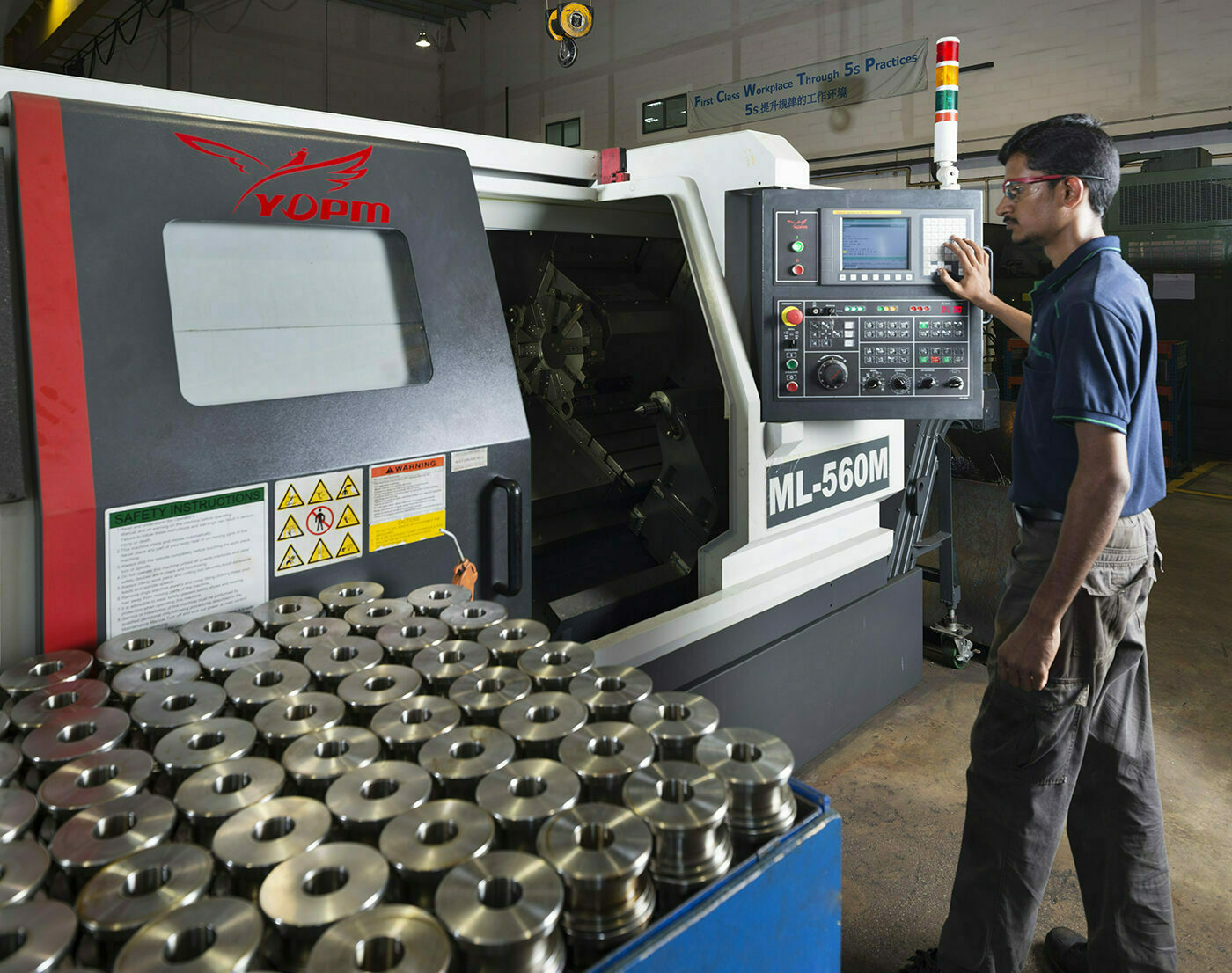
Industrial cylinders are the often unseen workhorses of many systems across the world, silently operating high-load operations in construction, agriculture, industry, and mineral projects. These robust mechanical units transform high-pressure fluid into accurate, straight-line action, lifting, pushing, pulling, and aligning large materials with accuracy and consistency. While they may appear deceptively plain from the surface, the power of a industrial cylinder is the product of the smooth coordination of numerous core parts working as one in complete harmony. Understanding these key components and their functions is important for any technician engaged in planning, usage, or maintenance of hydraulic machines. Hydraulic cylinder parts
Core Elements of a Industrial Unit and Why They Work
At the center of every industrial cylinder lies the main barrel, a finely engineered tube that supports the core sliding parts. It acts as the central structure of the system and contains the pressurized fluid that delivers energy. Because it must withstand extreme operating pressure and allow steady motion, the internal bore of the cylinder is carefully treated to exact tolerances.Inside this tube sits the pressure plate, the moving element that divides the inside space into individual fluid zones. When controlled fluid is channeled to one face of the piston, pressure increases and drives the component along the length of the barrel. This action is what directly delivers the controlled, linear motion that the cylinder is designed to provide. The piston’s position and contact within the housing are vital for maximum energy conversion and limited liquid loss.
Connected firmly to the component is the output bar, a reinforced metal rod that carries the power created within the unit to the outside machinery. Whether extending to lift a heavy structure or drawing in to reset a assembly, the drive shaft must be extremely durable and damage-resistant. Often surface-treated or otherwise treated to limit oxidation and resistance, this shaft ensures that the cylinder can deliver steady output under the harshest conditions. Hydraulic cylinder parts
Why Knowing Hydraulic Components Is Important More Than You Think
Mechanical cylinders play a vital function in countless industrial uses, but their efficiency and longevity rely on the quality of each core component. Learning the roles of the cylinder body, piston, shaft, seals, and additional components enables technicians to diagnose problems early, plan repairs in advance, and support informed choices about repairs or changes. A failed rod seal component might cause oil escape long before a major issue becomes evident, and spotting this soon can save major interruptions and repair costs.Moreover, picking the correct hydraulic unit for a particular job requires understanding of how these elements impact force, motion management, and strength. Whether you are specifying equipment for a building project, repairing field machinery, or troubleshooting industrial systems, a solid understanding of mechanical unit design helps ensure optimal performance.
As the foundation of so numerous industrial machines, industrial actuators require proper consideration. By recognizing the jobs each component performs—from the durability of the output shaft to the precision of a small seal—you maximize the true potential of your machinery and safeguard its operation for years to forward.
Find out more on - Hydraulic cylinder parts